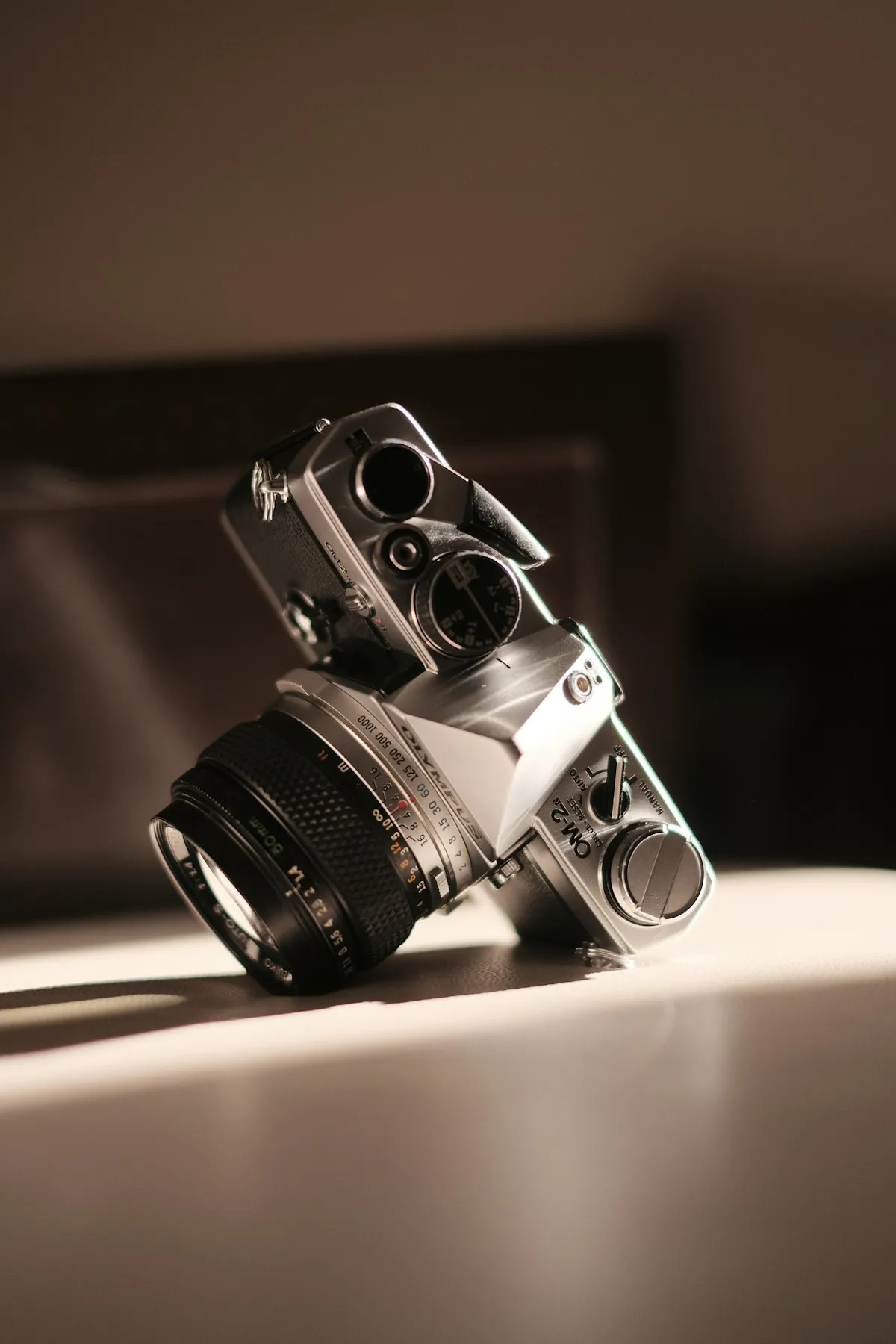
For a decade, buying a new film camera meant choosing between overpriced disposables and a handful of Lomography toy cameras. If you wanted anything serious, you were shopping used — competing with every other analog enthusiast on eBay for a camera that was manufactured before you were born. That's changing. 2026 has more genuinely interesting new film cameras than any year since the early 2010s, spanning every price point from $28 reloadables to autofocus compacts that aim to replace the Contax T2 sitting in your dreams.
Here's what's available right now and what's coming soon, with honest takes on who each camera is actually for.
2026 has more genuinely interesting new film cameras than any year since the early 2010s, spanning every price point from $28 reloadables to autofocus compacts.
Lomography Simple Use — $28 and Ready to Shoot
The Simple Use is Lomography's answer to the disposable camera, but with a twist: you can reload it. It ships pre-loaded with a roll of LomoChrome film (editions include Classicolor, Purple, and standard Color Negative), and once you've shot through those 36 frames, you pop the back open and load another roll of whatever you want.
At $28, it's the cheapest way to start shooting film today. The lens is a fixed-focus plastic element, and the built-in flash runs on a single AA battery. Nobody is pretending this produces tack-sharp images — the point is accessibility. Hand one to a friend who's curious about film. Bring it to a party. Throw it in a bag for a trip where you don't want to risk your main camera. The barrier to entry is basically zero.
The reloadable design also makes it a surprisingly useful test body. If you want to try an unfamiliar film stock without committing a roll in your good camera, run it through the Simple Use first to see the color palette. You'll get a rough sense of the look before wasting frames on exposure mistakes with a stock you don't understand yet.
Pentax 17 — The Half-Frame That Started a Movement
The Pentax 17 arrived in 2024 as the first new production film camera from a major manufacturer in years, and it promptly sold out everywhere. Two years later, it's still one of the most talked-about cameras in the analog community — and still occasionally hard to find in stock.
The concept is straightforward: a half-frame 35mm camera, meaning each exposure uses half a standard frame. A 36-exposure roll gives you 72 shots in portrait orientation. The lens is a sharp 25mm f/3.5 (50mm equivalent in full-frame terms), and there's a zone-focus system with distance icons. Metering is automatic with a manual override mode, and the whole package is compact enough for a jacket pocket.
Half-frame is polarizing. Some photographers love the doubled frame count and the vertical-by-default composition. Others find the reduced negative size limiting, especially for large prints. If you mostly share on screens, the resolution is more than enough. If you want to print big, you'll feel the grain.
One note on the Pentax 17's future: designer Takeo Ryo, the driving force behind the camera, departed Ricoh/Pentax in early 2026. Whether this means the end of the line or simply a personnel change isn't clear yet. If you've been considering the Pentax 17, it might be wise not to wait too long — especially if a follow-up model was part of the original roadmap.
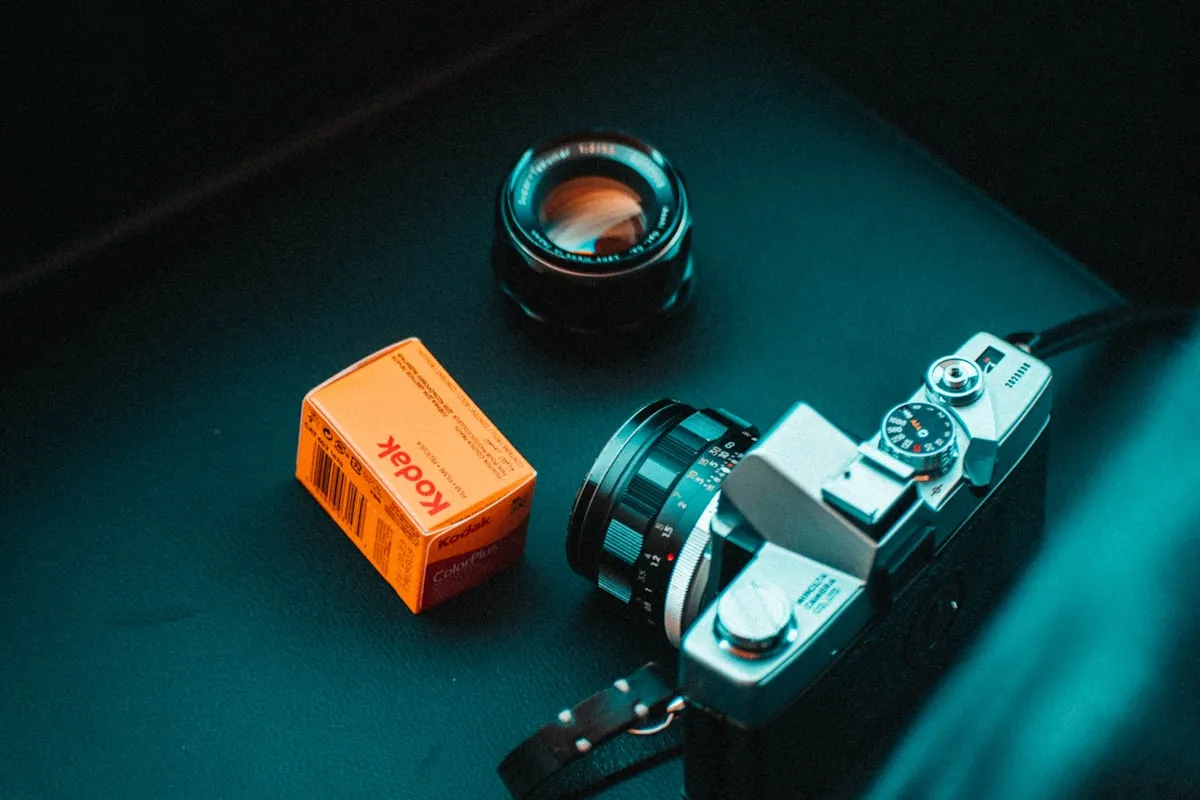
Analogue aF-1 — The Autofocus Compact Everyone Is Waiting For
The Analogue aF-1 might be the most anticipated camera in the film community right now. It's a new-production autofocus point-and-shoot — the category that used to include the Contax T2, Olympus Stylus Epic, Yashica T4, and Nikon 35Ti. Those cameras are all discontinued, and used prices reflect the scarcity: a clean Contax T2 fetches $1,500 or more, and even the once-affordable Olympus MJU has crept past $300.
The aF-1 aims to fill that gap with a newly designed autofocus lens, a compact body, and a price point that's significantly lower than the used alternatives. Details are still emerging as the camera moves through development, but the promise alone has generated serious excitement. An autofocus compact that you can buy new, with a warranty, without spending four figures — that's been the white whale of the film photography revival.
Whether the aF-1 delivers on that promise remains to be seen. Lens quality will be the deciding factor. The best vintage point-and-shoots earned their reputations with genuinely excellent optics — Zeiss and Zuiko glass that punched well above their category. A new camera needs to match that standard, not just the form factor.
Canon Waist-Level Concept — A Wildcard from CP+ 2026
Canon showed a waist-level viewfinder concept camera at CP+ 2026, surprising attendees who expected nothing but mirrorless announcements. The design references medium format cameras like the Hasselblad 500C, but in a 35mm body. Details beyond the concept are scarce — Canon hasn't confirmed production plans, lens specifications, or pricing.
Still, the fact that Canon is publicly exploring new film camera designs says something about where the market is heading. Five years ago, no major manufacturer would have devoted booth space to an analog concept. The demand is real enough that companies are paying attention.
MiNT InstantKon RF70 — Instant Film, Rangefinder Soul
MiNT has been making high-quality instant cameras for years, and the InstantKon RF70 is their rangefinder-styled model using Fujifilm Instax Wide film. Unlike most instant cameras, the RF70 has a real glass lens, manual exposure controls, and a coupled rangefinder for accurate focusing. It's an actual photographic tool, not a party novelty.
The Instax Wide format produces prints roughly the size of a credit card turned sideways — large enough to actually see detail and appreciate composition. Exposure control lets you dial in the look you want rather than hoping the automatic system guesses correctly. For photographers who love the immediacy of instant film but want more creative control, the RF70 is one of the few options that takes the medium seriously.
The Used Market — Why New Cameras Matter
Used film camera prices remain stubbornly high and likely aren't coming back down. The Contax T2 at $1,500+, Olympus MJU at $300+, even basic SLRs like the Canon AE-1 selling for three times what they did five years ago — the supply is fixed and the demand keeps growing. Every camera that breaks or gets retired from circulation makes the remaining ones more expensive.
That's exactly why new production cameras matter, even imperfect ones. A $28 Lomography Simple Use and a $1,500 Contax T2 serve different purposes, obviously. But the expanding range of new options means you don't have to gamble on a 30-year-old camera with no warranty and questionable light seals to get into film photography. The entry points have never been more accessible.
Track Every Camera, Every Roll
Whichever camera you choose — new or used, half-frame or full-frame, autofocus or manual — the fundamentals of good film photography stay the same. You need to understand your exposures, learn your film stocks, and build the kind of intuition that only comes from reviewing your results alongside the data that produced them.
Pellica makes that process painless. Add your cameras to your gear list, create a roll when you load film, and log each frame as you shoot with a quick tap. The built-in light meter handles metering right in the app, and when your scans come back from the lab, you match them to your shot data. Frame by frame, roll by roll, you learn what works — and that's true whether you're shooting a $28 reloadable or a camera worth fifty times as much.