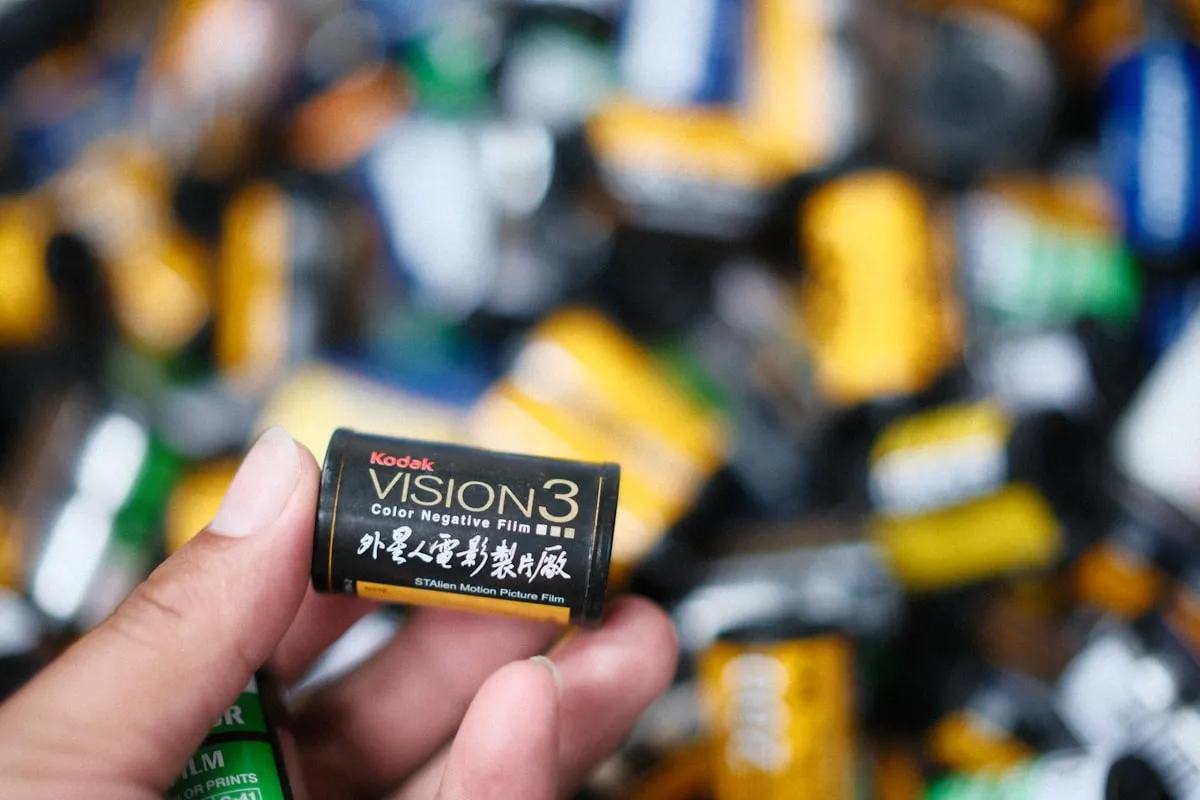
Choosing your first film stock can feel overwhelming. Walk into any camera store and you'll see a wall of boxes with names like Portra, Ektar, HP5, Tri-X, Gold, Superia, ColorPlus — all in different speeds, formats, and price points. The good news is that most modern film stocks are excellent, and it's genuinely hard to make a bad choice. The better news is that once you know a few key differences, picking the right stock for your situation becomes straightforward.
Here are the best film stocks for beginners in 2026, organized by type. For each one, we cover what it looks like, when to use it, and what to expect.
Most modern film stocks are excellent, and it's genuinely hard to make a bad choice. Once you know a few key differences, picking the right stock becomes straightforward.
Color Negative Film (C-41)
Color negative is the most forgiving type of film, which makes it ideal for beginners. It handles overexposure gracefully (often looking better when slightly overexposed) and is processed using the standard C-41 chemistry that every film lab supports. If you're just starting out, start here.
Kodak Portra 400 — The Versatile Champion
Portra 400 is the film stock that professionals reach for when they need reliable, beautiful results. The colors are natural with warm skin tones, the grain is remarkably fine for a 400-speed film, and the exposure latitude is enormous — you can overexpose it by 2-3 stops and still get gorgeous, usable images. In fact, many photographers deliberately overexpose Portra for that creamy, pastel look.
At ISO 400, it's fast enough for most daylight situations and can handle indoor and overcast light without a tripod. It's not the cheapest option, but the consistency and forgiveness make it an outstanding first film.
Best for: Portraits, travel, everyday shooting, golden hour. Basically everything.
Kodak Gold 200 — Affordable and Warm
Kodak Gold is the budget-friendly entry point and it's genuinely great, not just “good for the price.” The colors lean warm with saturated yellows and reds, giving images a nostalgic, sunlit quality even on ordinary days. Grain is slightly more visible than Portra, but that's part of the charm — it looks like film in the best way.
At ISO 200, it prefers good light. Outdoors on a sunny or partly cloudy day, Gold sings. It's less versatile in low light, so save it for daytime shooting. At roughly half the price of Portra, it's the perfect stock for learning because you won't agonize over every frame.
Best for: Sunny days, vacations, casual photography. Anywhere you want warmth and character on a budget.
Fuji Superia 400 — Reliable Everyday Film
Superia is Fuji's answer to everyday color negative. Compared to Kodak's warm tones, Superia leans slightly cooler with greens and blues that feel vivid without being oversaturated. Skin tones are natural and the grain structure is pleasant.
At ISO 400, it's a versatile all-rounder. It handles mixed lighting reasonably well and is widely available at camera stores and online. The results are consistent roll after roll, which matters when you're learning — you want to isolate your own exposure decisions from film stock variability.
Best for: Everyday shooting, street photography, situations where you want slightly cooler tones than Kodak stocks.
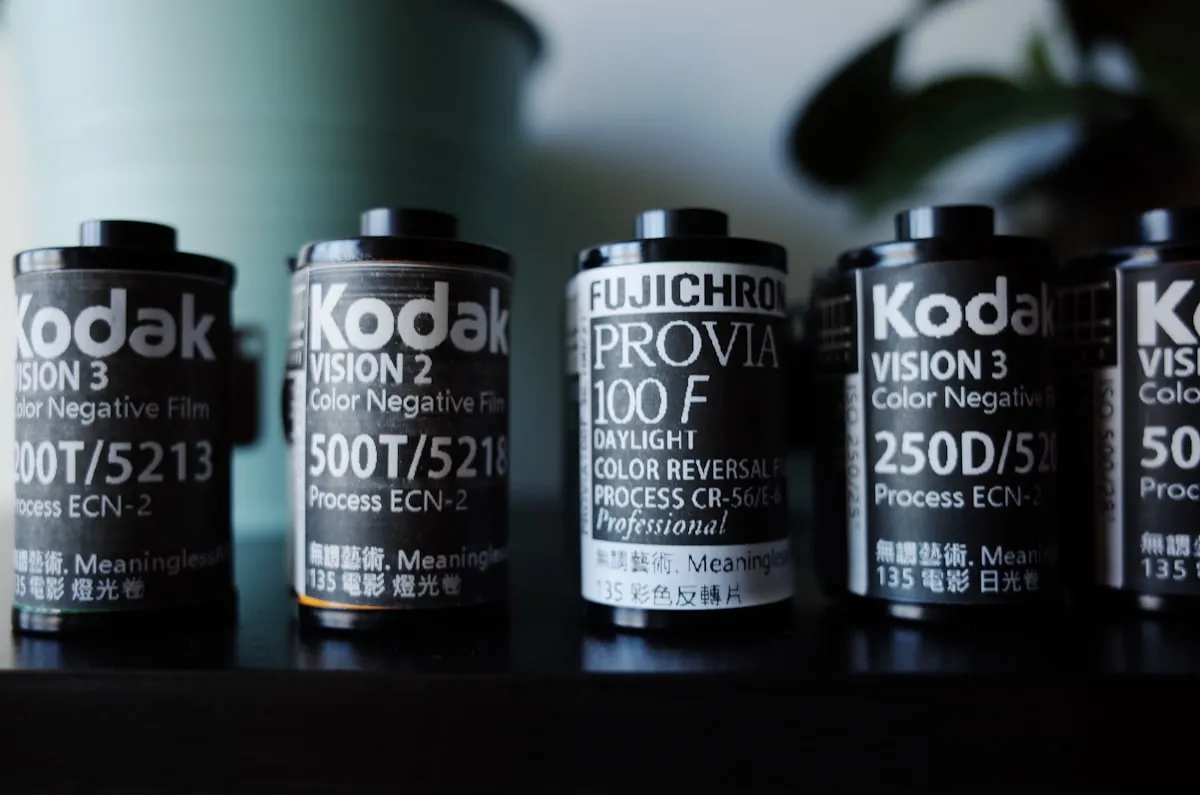
Black & White Film
Black and white photography strips away color and forces you to see in terms of light, shadow, contrast, and texture. It's a fantastic learning tool because you focus entirely on exposure and composition. Plus, B&W film is easy to develop at home if you ever want to try that.
Ilford HP5 Plus 400 — The Go-To B&W
HP5 is the workhorse of black and white photography. It's forgiving, versatile, and has a classic grain structure that looks great in almost every situation. The tonal range is smooth, with good detail in both highlights and shadows. Like Portra on the color side, HP5 handles overexposure well, giving you room to make mistakes while learning.
HP5 also pushes beautifully. If you find yourself in low light, you can shoot it at 800 or even 1600 and tell your lab to push-process it. The grain gets more pronounced and the contrast increases, but the results have a gritty, documentary quality that many photographers love.
Best for: Everything B&W. Street, portraits, landscapes, documentary. An exceptional first B&W film.
Kodak Tri-X 400 — Classic Photojournalism Look
Tri-X has been around since 1954, and there's a reason it's still one of the most popular film stocks in the world. Compared to HP5, Tri-X has slightly more contrast and a punchier grain structure. The shadows go deep and the highlights pop. It's the look of mid-century photojournalism — Henri Cartier-Bresson, Robert Frank, Vivian Maier.
Like HP5, Tri-X pushes well and is very forgiving with exposure. The choice between HP5 and Tri-X often comes down to personal preference — HP5 is slightly smoother, Tri-X is slightly grittier. Try a roll of each and see which speaks to you.
Best for: Street photography, documentary, any situation where you want bold contrast and classic grain.
Slide Film (E-6)
A heads-up: slide film (also called reversal or transparency film) is beautiful but unforgiving. Unlike negative film, it has very little exposure latitude — even half a stop of over- or underexposure is visible. For beginners, we'd recommend getting comfortable with negative film first. But if you want to try it, here's the best entry point.
Fuji Velvia 50 — Vivid Landscapes
Velvia is legendary for its saturated colors and incredibly fine grain. Greens are emerald, skies are deep blue, and sunsets look like paintings. At ISO 50, it requires plenty of light or a tripod, but the results are stunning. Holding a developed Velvia slide up to the light is one of the most rewarding experiences in photography.
The challenge is nail-perfect exposure. Using a reliable light meter is essential with slide film. Meter carefully, bracket if you can afford the frames, and prepare to be amazed by the results when you get it right.
Best for: Landscapes, nature, and any scene with vibrant colors. Not for beginners unless you're comfortable with precise metering.
Creative & Specialty Stocks
Once you're comfortable with the fundamentals, these stocks offer distinctive looks that can push your photography in new directions.
CineStill 800T — Cinematic Night Shooting
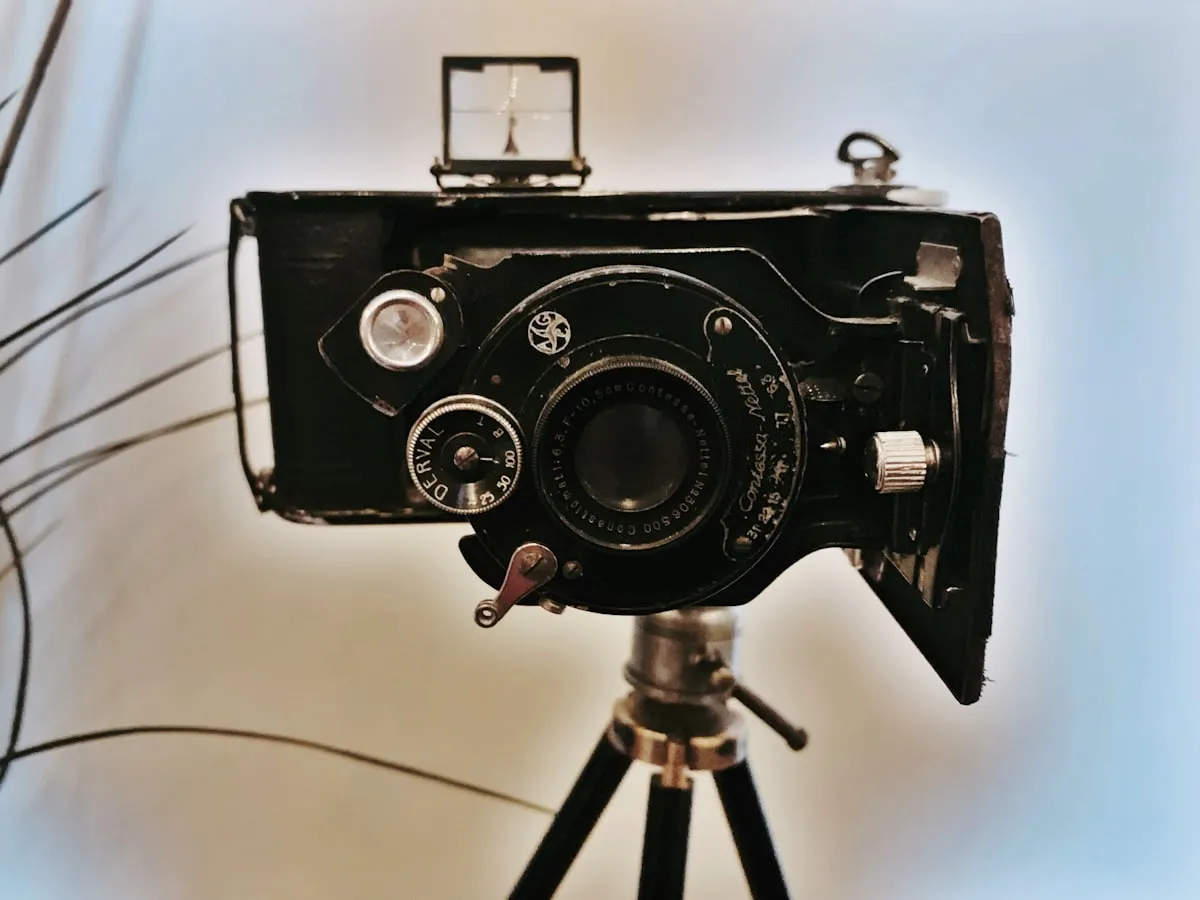
CineStill 800T is Kodak Vision3 motion picture film that's been modified for standard C-41 processing. The “T” stands for tungsten-balanced, meaning it's designed for warm artificial light. Under streetlights, neon signs, and city glow, it produces ethereal images with a cinematic halation effect — a soft red-orange glow around bright light sources.
At ISO 800, it's the fastest C-41 color film readily available, making it viable for handheld night photography. The look is very specific and not for every situation, but for nighttime urban shooting it's unmatched.
Best for: Night photography, city streets, concerts, any scene with artificial lighting.
Lomography Color Negative 400 — Experimental Fun
Lomography stocks are designed to be playful and unpredictable. Colors are saturated and sometimes shift in unexpected ways. Grain is visible and expressive. The philosophy is less about technical perfection and more about happy accidents and creative expression.
If you're the type of photographer who enjoys surprises and doesn't need every frame to be technically perfect, Lomo stocks are a lot of fun. They're also reasonably priced, making experimentation affordable.
Best for: Experimental photography, parties, everyday snapshots where you want character over precision.
Tips for Beginners
- Start with ISO 400. It's versatile enough for most lighting conditions. Portra 400, HP5, or Superia 400 are all excellent first choices.
- Shoot one stock consistently. Resist the temptation to try a different film every roll. Shoot 3-5 rolls of the same stock so you actually learn how it behaves. Then branch out.
- Overexpose by one stop. Especially with color negative film. Set your camera's ISO dial to half the film speed (e.g., shoot Portra 400 at ISO 200). The slightly overexposed negatives will have richer colors and better shadow detail.
- Track your exposures. This is the fastest way to improve. When you can see what settings produced each result, you build intuition rapidly. Use a dedicated tracker to make this effortless.
- Find a good lab. Processing quality varies enormously between labs. A great lab can make a mediocre exposure look good; a bad lab can ruin a perfect one. Use a lab finder to discover well-reviewed labs near you.
- Don't stress about “wasting” frames. Every frame teaches you something, even the bad ones. Especially the bad ones, honestly. The cost of film is the cost of learning.
How Pellica Helps You Track What Works
When you're trying different film stocks, tracking becomes especially important. With Pellica, you log each roll with its specific film stock, then record exposure settings for every frame. When your scans come back, you import them and match each image to its data.
Over time, you build a personal database of what works: which stocks you prefer for different situations, how much overexposure gives you the look you want, which of your lenses pairs best with which film. That kind of knowledge takes years to develop without tracking. With it, you get there in months.