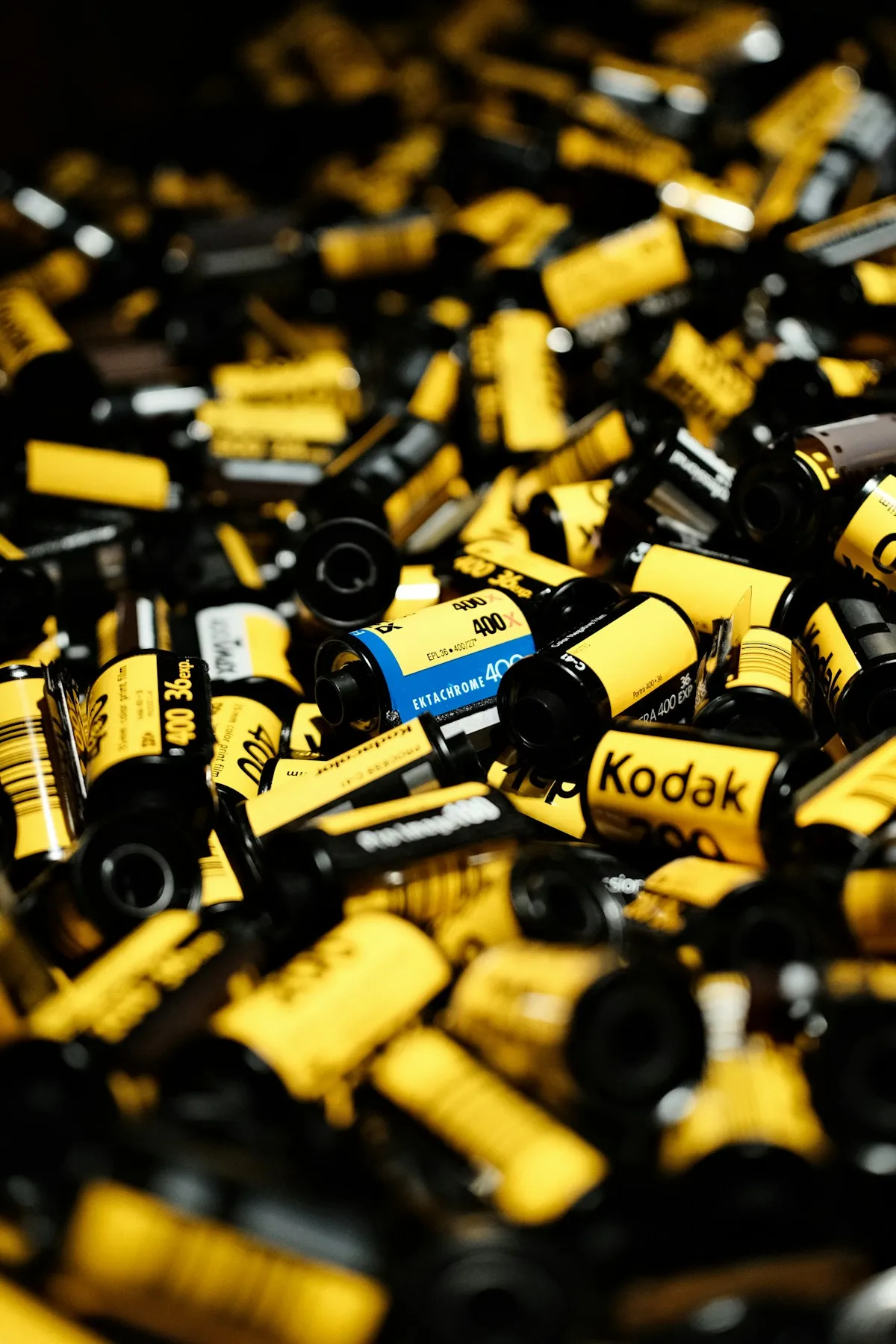
For over a decade, Eastman Kodak manufactured the film while Kodak Alaris handled everything else — marketing, packaging, global distribution. That arrangement started after Kodak's 2012 bankruptcy, and for most film photographers, it was invisible. You bought Kodak Gold at the store, shot it, got it developed. Who cared about the corporate structure behind the yellow box?
Now that structure is changing fast. Starting in late 2025, Eastman Kodak began pulling its most popular film stocks back under direct distribution. By March 2026, the majority of Kodak's film lineup is sold directly by the company that actually makes it. This is the biggest shakeup in film distribution in over a decade, and it could mean lower prices and better availability for everyone who shoots analog.
By March 2026, the majority of Kodak's film lineup is sold directly by the company that makes it. This is the biggest shakeup in film distribution in a decade.
The Timeline: How Kodak Took Its Film Back
The transition did not happen overnight, but it moved faster than anyone expected. Here is how it unfolded:
- September 2025: Eastman Kodak launches Kodacolor 100 and 200 — the first films it has distributed directly in over a decade. Both stocks sell out almost immediately.
- November 2025: Kodak Gold 200 and UltraMax 400 transition to direct Eastman Kodak distribution. The boxes get new vintage-inspired yellow packaging with the classic Eastman Kodak branding.
- January 2026: Ektar 100 and Tri-X 400 move to direct distribution. This is significant — Tri-X is arguably the most iconic black-and-white film ever made, and Ektar is the sharpest color negative stock in production.
- February 2026: Ektachrome E100, Kodak's only current slide film, follows suit.
As of March 2026, only Portra (160, 400, 800) and TMax (100, 400) remain under Kodak Alaris distribution. Given the pace of transition, most industry watchers expect those to move over by mid-2026 as well.
Why This Matters for Film Prices
The most immediate impact is on the supply chain. Under the old arrangement, Eastman Kodak manufactured film in Rochester, then sold it to Kodak Alaris, who added their own margin before distributing to retailers. Every middleman in a supply chain adds cost. Removing one should, in theory, reduce the final price or at least slow the rate of increases.
Film prices have been climbing steadily since 2020. A roll of Kodak Gold 200 that cost $6 three years ago now runs $12-14 depending on where you buy it. Portra 400 has crossed the $15 mark in most markets. Whether direct distribution will actually lower prices remains to be seen, but cutting out the distribution middleman gives Kodak more flexibility on pricing without sacrificing margin.
There is also the supply stability angle. With direct control over distribution, Eastman Kodak can respond faster to demand spikes and allocate inventory more efficiently. The chronic stock-outs that plagued popular emulsions like Gold 200 and Portra 400 during 2022-2024 were partly a distribution coordination problem. Direct control should help.
The New Packaging
The visual change is hard to miss. The new Eastman Kodak boxes feature a retro-inspired design that leans heavily into the classic yellow brand identity. The Kodak Alaris branding is gone, replaced by the Eastman Kodak name and a cleaner, more vintage aesthetic.
For collectors and design nerds, the new packaging is already becoming a thing. The Kodacolor boxes in particular have a 1970s throwback feel that looks great on a shelf. But beyond aesthetics, the packaging change serves a practical purpose: it visually signals which stocks have transitioned to direct distribution, making it easy for retailers and photographers to identify the new supply chain.
What About Kodak Alaris?
The elephant in the room. Kodak Alaris has been the face of Kodak film for over a decade. They handled not just distribution but also marketing, brand partnerships, and community engagement. As Eastman Kodak takes back stock after stock, Alaris's role in the film ecosystem shrinks considerably.
Alaris still distributes Portra and TMax for now, and they have their own product lines outside of film (primarily commercial printing and document management). But for the film photography community, this transition marks the end of an era. Whether Eastman Kodak will match Alaris's community engagement and marketing efforts remains an open question.
What This Means for You
If you shoot Kodak film, the practical impact is straightforward:
- Same film, different box. The emulsion, manufacturing process, and quality are identical. A roll of Gold 200 from Eastman Kodak direct is the same film as Gold 200 from Kodak Alaris. Only the packaging and distribution channel changed.
- Potentially better availability. Direct distribution gives Kodak tighter control over inventory allocation. If demand spikes, they can respond faster.
- Possible price stabilization. Removing a distribution layer could slow price increases, though do not expect dramatic drops. Film manufacturing costs continue to rise with raw material prices.
- Watch for transition pricing. During the switchover, some retailers may have both old Alaris stock and new Eastman stock on shelves. There may be deals on the older-packaged stock as retailers clear inventory.
Track Your Kodak Stocks with Pellica
With Kodak's lineup in flux, keeping track of which stocks you have shot and how they performed matters more than ever. Are you seeing any difference in consistency between old-distribution and new-distribution batches? Is one emulsion number performing differently from another?
Pellica lets you log every roll with the film stock, batch number, and your exposure settings for each frame. Use the film roll tracker to build a history of your Kodak stocks over time. When your scans come back, you can compare results across batches and conditions — invaluable information as Kodak's distribution evolves.
And if your go-to Kodak stock is temporarily hard to find during the transition, use the notes feature to track which retailers have the new Eastman Kodak packaging in stock. Your future self will thank you.