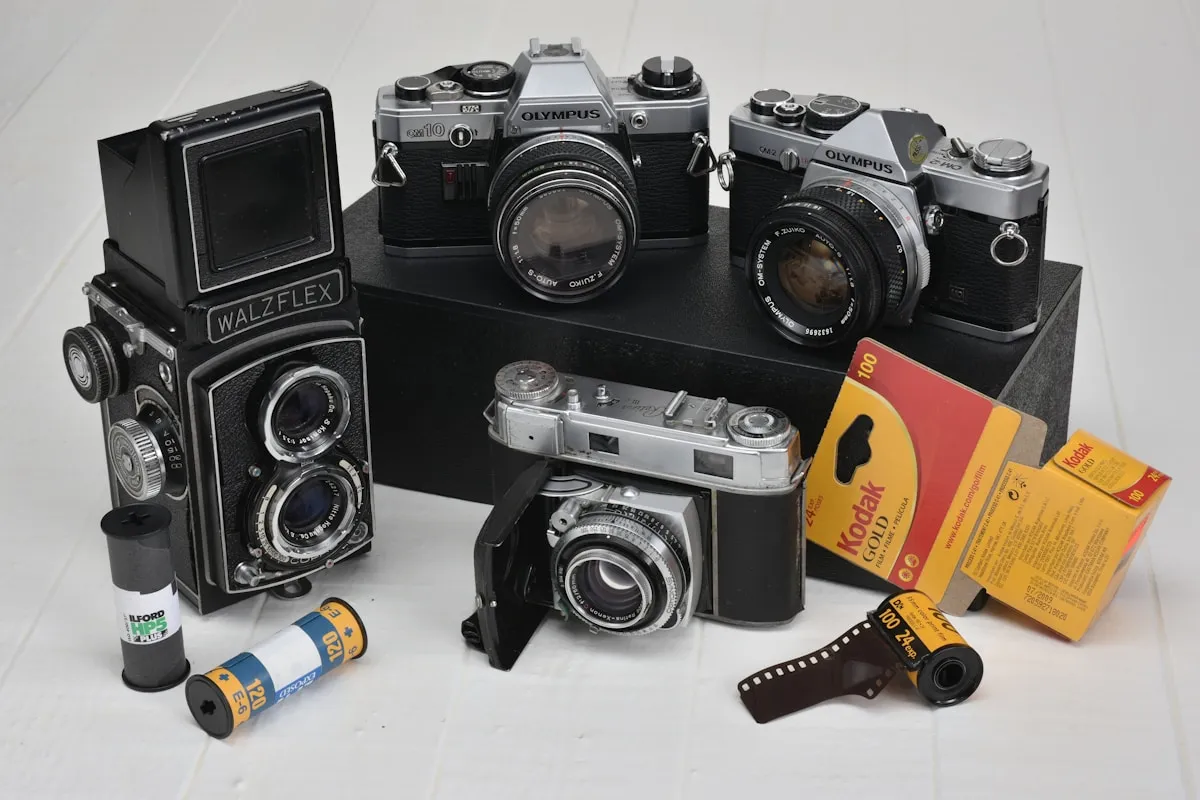
Every year someone writes the “film photography is making a comeback” article, and every year the skeptics roll their eyes. But in 2026, the numbers are impossible to dismiss. This is not a hipster trend or a TikTok fad with a six-month shelf life. Film photography is experiencing genuine, infrastructure-backed growth — and the data tells a story that even the most cynical digital purist cannot argue with.
Wholesale film order volumes have increased 127% from 2020 to 2026. This is not a TikTok fad — it is infrastructure-backed growth with real investment behind it.
The Market Size: $613 Million and Growing
The global photographic film market is estimated at USD 613 million in 2026, with projections pushing it to USD 724 million by 2035. For an industry that was supposedly “dead” a decade ago, those are remarkable numbers. The compound annual growth rate is steady, not explosive, which is exactly the kind of growth pattern that attracts serious investment rather than speculation.
Wholesale film order volumes tell an even more compelling story: a 127% increase from 2020 to 2026. That is not a recovery to pre-digital levels — that is new demand, driven by a generation of photographers who grew up digital and are choosing analog deliberately.
Who Is Driving the Growth?
The demographics are clear. Over 25% of consumers under 35 are now purchasing film cameras. Among film photographers under 25, 67% cite “intentionality” and “mindfulness” as their primary reasons for shooting analog. This is not nostalgia — most of these shooters have no childhood memories of film. They are choosing it because it forces a slower, more deliberate approach to image-making.
Social media plays a dual role. Platforms like Instagram and TikTok expose millions to the aesthetic of film photography, but they also create a desire for something that feels more “real” than the infinite perfection of digital. The imperfections of film — grain, light leaks, unpredictable color shifts — read as authenticity in an era of AI-generated images and computational photography.
The Supply Side Is Responding
What separates this revival from a passing trend is the investment on the supply side. Manufacturers are not just keeping the lights on — they are expanding capacity and launching new products.
- Eastman Kodak invested $60 million to upgrade its Rochester film coating facility, increasing output by 18%. They also took back direct distribution of most film stocks from Kodak Alaris, a move that signals long-term commitment to the film business.
- Ilford launched an environmentally sustainable film coating line with a planned annual output of 2 million rolls. Their Harman Switch series — creative color films with intentional color inversions — shows a willingness to innovate, not just maintain legacy products.
- Lucky Film in China is ramping up new color negative production, positioning itself as an affordable alternative to Kodak and Fujifilm. Their C200 launch sold out its initial 10,000-roll run almost immediately.
- Lomography continues to release both new film stocks and new cameras, including the recent LomoChrome Classicolor and various Simple Use models.
312 New Film Labs in One Year
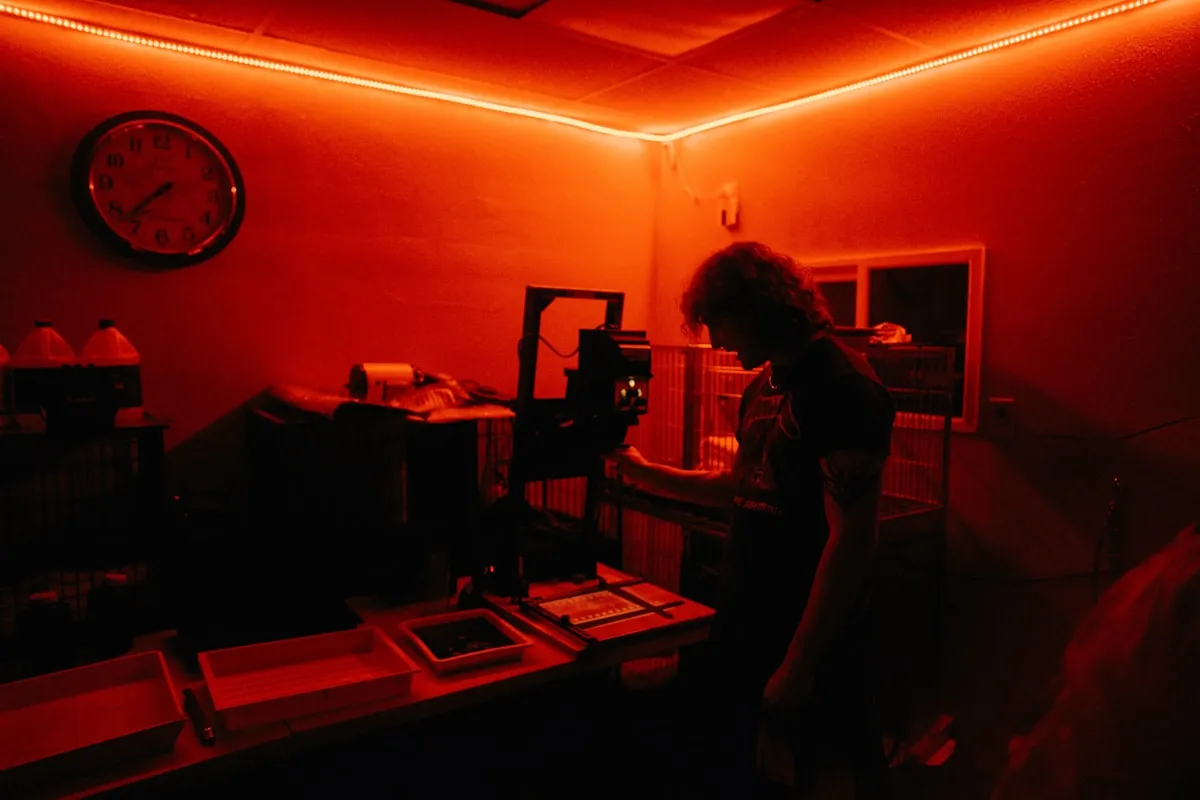
Perhaps the most telling statistic: 312 new film development labs opened globally in 2025. That is roughly one new lab opening somewhere in the world every 28 hours. After decades of lab closures that made film development increasingly difficult and expensive, this reversal is significant.
The new labs are not just traditional wet processing operations. Many offer hybrid services — develop-and-scan packages that bridge the analog shooting experience with digital delivery. This model lowers the barrier to entry considerably: you shoot on film, drop off the roll, and get digital files back within days.
The geographic spread is notable too. While film photography has always had strong footholds in Japan, Germany, and the US, new labs are opening in markets like South Korea, Brazil, Indonesia, and across Southeast Asia. Film photography is becoming genuinely global again.
Sales Numbers That Matter
Looking at specific stock performance gives you a sense of where demand is hottest:
- Over 20 million rolls of film were sold in 2023 alone, representing a 15% year-over-year increase.
- Kodak Portra 400 sales grew 156% since 2020 — driven by portrait and wedding photographers who want the film look without the post-processing.
- Kodak Gold 200 grew 118%, becoming the gateway drug for new film shooters thanks to its affordability and forgiving exposure latitude.
- Ilford HP5 Plus remains the best-selling black-and-white stock globally, benefiting from its versatility and the growing interest in home development (HP5 is famously easy to develop at home).
The Camera Market Is Following
Hardware tells the same story. Pentax released the Pentax 17 half-frame camera — the first new film camera from a major manufacturer in years — and it sold out immediately. Canon showed an analog concept camera at CP+ 2026. Lomography continues to ship new models. Even on the secondhand market, prices for quality film cameras have stabilized after years of rapid appreciation, suggesting that supply is catching up with demand.
The used camera market itself is massive. Platforms like eBay, Facebook Marketplace, and specialty dealers like KEH and MPB report sustained strong demand for 35mm SLRs, rangefinders, and medium format cameras. A good-condition Canon AE-1 or Pentax K1000 that cost $50 five years ago now goes for $100-150, but the transaction volume keeps climbing.
What This Means for Film Photographers
These numbers are not just interesting trivia. They have practical implications:
- Film is not going away. With this level of investment and demand growth, the risk of your favorite stock being discontinued (Fujifilm aside) is lower than at any point in the last fifteen years.
- More options are coming. New manufacturers like Lucky Film and continued innovation from Ilford/Harman mean more stocks to choose from, not fewer.
- Lab access is improving. The wave of new lab openings means shorter shipping times, more competitive pricing, and better service as labs compete for your business.
- Prices may stabilize. While film will never be cheap again, the combination of increased production capacity and direct distribution models should slow the relentless price increases of 2020-2025.
Track Your Part of the Revival with Pellica
You are part of these numbers. Every roll you shoot, develop, and scan contributes to the demand signal that keeps manufacturers investing and labs opening. Pellica helps you make the most of every frame by tracking your film rolls, exposure settings, and results over time.
Whether you are one of the 67% shooting for intentionality, a seasoned analog veteran, or somewhere in between, having a record of your shooting habits helps you improve faster, waste fewer frames, and build a body of work you can trace back to specific choices. That is what turns casual shooting into a practice.